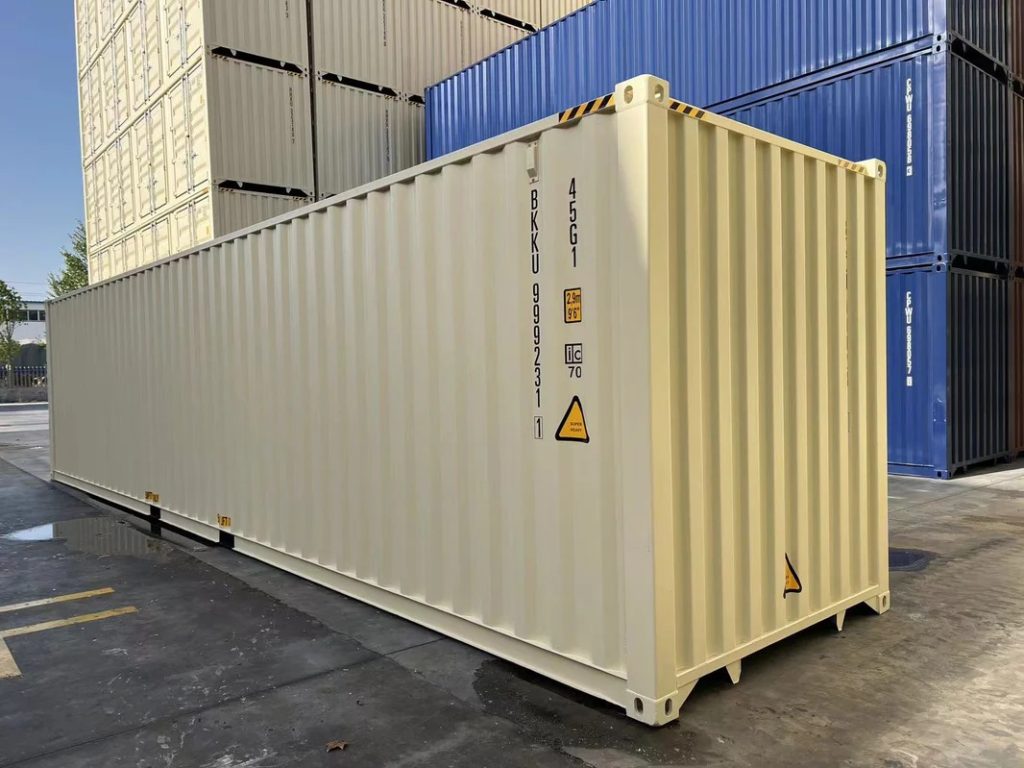
The Little-Known Benefits 20 Feet Container Size


Understanding 20 Feet Container Size: Specifications, Uses, and FAQs
When it comes to shipping and storage, containers play an important function in ensuring efficiency and safety. Among the most typically used container sizes is the 20 feet container. Whether for worldwide shipping, saving products, or moving, comprehending the dimensions and specs of a 20 feet container is essential. This blog site post will cover the dimensions, types, and best practices for using a 20 feet container, together with a detailed FAQ section.
Specifications of a 20 Feet Container
The 20 feet container is versatile and can be utilized for a range of shipping and storage requirements. Below is a table that details the key requirements.
| Requirements | Metric Measurement | Imperial Measurement |
|---|---|---|
| Exterior Length | 6.058 m | 20 ft |
| Outside Width | 2.438 m | 8 ft |
| Exterior Height | 2.591 m | 8.5 ft |
| Interior Length | 5.898 m | 19.4 ft |
| Interior Width | 2.352 m | 7.7 ft |
| Interior Height | 2.385 m | 7.9 ft |
| Maximum Gross Weight | 30,480 kg | 67,200 lbs |
| Maximum Payload Capacity | 27,000 kg | 59,500 lbs |
| Volume | 33.2 m THREE 1,172 ft three Dimensions Explained Outside Dimensions: The external dimensions are important for logistics, especially when thinking about the container's viability for stacking and shipping. Interior Dimensions: The internal space is vital for identifying just how much cargo can be developed for general cargo. 20ft Shipping Container have a solid structure and are weather-resistant. High Cube Containers:
systems. Moving: Perfect for residential relocations, permitting sufficient area for furniture and household products. Pop-Up Shops: With creativity, thesecontainers can be changed into short-term retail spaces. Benefits of 20 Feet Containers Using a 20 feet container comes with many advantages: Cost-Effectiveness: Generally more affordable than bigger containers, they use an excellent balance of area and expense. Availability: Their sizes make them easier to transfer and maneuver. Sturdiness: Constructed from robust steel, they are designed to endure extreme environmental conditions. Security: Containers offer a safe environment for items, decreasing the threat of theft and damage |
For organizations with larger shipping requirements, a 20 feet container might not be sufficient. Straining Risks: Mishandling or straining can lead to
structural concerns. Zoning Restrictions: In some areas, using a shipping container for
storage mightgo through local guidelines. FREQUENTLY ASKED QUESTION 1. Just how much can a 20 feet container hold? A 20 feet basic container can
typically hold about 28,000-30,000 kg of cargo. The interior volume is around 33.2 cubic meters (1,172 cubic feet).
2. What can I save in a 20
feet container? You can store various products, including
furnishings, automobiles, equipment, building and construction materials, and even individual valuables.
3. Is it safe to use a shipping container for long-lasting storage? Yes, 20 feet containers are weather-resistant
and provide a safe environment, making them appropriate for long-lasting storage. 4. How can I modify a 20 feet
container? You can easily modify a 20 feet container to match your requirements by adding windows, doors, insulation, shelving, or electric connections. 5. Where can I rent or buy a 20 feet container? You can lease or buy 20 feet containersfrom shipping container suppliers, storage companies, or through
online rental platforms. 6. What maintenance should be done on a shipping container? Routine checks for rust, dents, and structural integrity,
in addition to periodic painting or sealing, can assist prolong its lifespan. The 20 feet container is a staple in the shipping and storage market, understood for its adaptability and durability.
With numerous types and applications, companies and people have much to acquire from understanding this shipping choice. Whichever your purpose-- be it shipping items, moving, or portable storage-- the 20
feet container proves indispensable. Whether you're a small business owner, a homeowner, or a big corporation, understanding the ins and outs of container sizes can cause much better decision-making and functional
efficiency.